Global Oil Markets Breathe a Sigh of Relief as US-Iran Tensions Ease
admin
July 27, 2026
2 min read
World News
12 views
AI Summary
The price of oil has dropped significantly as the US and Iran have paused their attacks, sparking hopes of de-escalation. The global oil market has experienced a substantial shift, with Brent crude plummeting over 9% to $87.59 a barrel. The conflict has had far-reaching consequences, including increased fuel costs and potential knock-on effects on food prices and inflation.
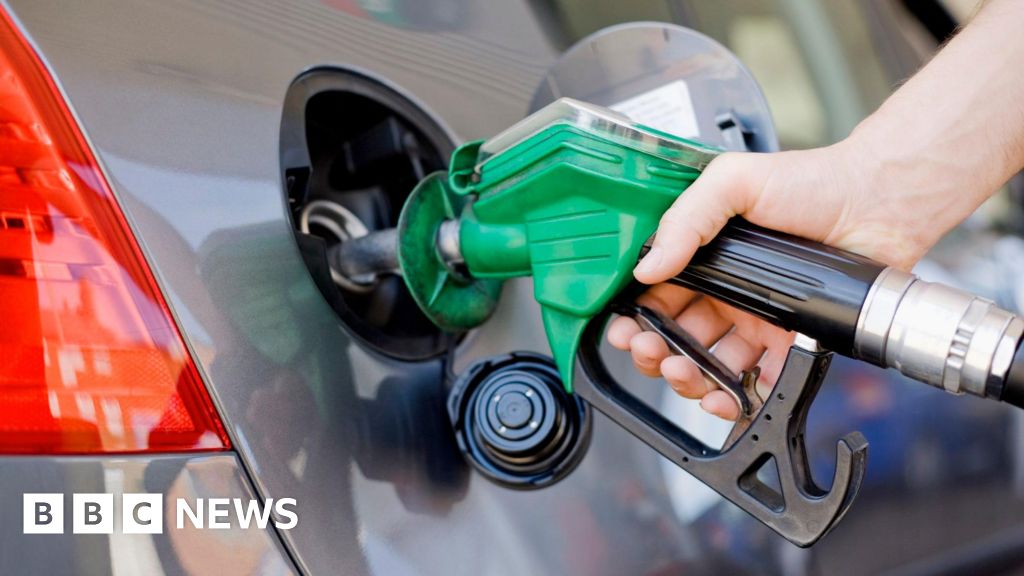
The global oil market has experienced a significant shift in recent days, as the price of oil plummeted following a pause in attacks between the US and Iran. This development has sparked hopes that the conflict may be de-escalating, leading to a sharp decline in oil prices. The global benchmark for oil, Brent crude, saw a substantial drop of over 9% to $87.59 a barrel, marking a considerable reversal from the previous week when it had surged above $100. The US ambassador to the UN announced that attacks on Iran had been halted for a second consecutive night, providing 'space for talks.' In response, an Iranian army spokesperson confirmed that Tehran had stopped 'retaliatory' attacks in the region. The recent conflict had triggered a sharp rise in oil prices due to the closure of the Strait of Hormuz, a crucial shipping route that carries approximately 20% of the world's oil and liquefied natural gas (LNG). However, with the signing of a memorandum of understanding in June to halt military operations and reopen the strait, oil prices had fallen back to pre-war levels of around $70 a barrel. The collapse of the ceasefire earlier this month reignited concerns over global energy supplies, causing oil prices to surge once again. The price of Brent crude stood at $90.60 a barrel by Monday afternoon, down more than 6% for the day. According to Susannah Streeter, chief investment strategist at Wealth Club, markets remain cautious due to the unpredictable nature of the conflict. Despite the sharp decline in crude oil prices, there is still significant uncertainty surrounding the negotiations, and it remains to be seen whether they will lead to a lasting breakthrough. The ongoing conflict between the US and Iran has had far-reaching consequences, including increased fuel costs and potential knock-on effects on food prices and inflation. As a result, central banks may be forced to raise interest rates to combat rising inflation. The European Central Bank has already lifted its key interest rate for the eurozone, citing the conflict as a contributing factor to inflation pressures. The Bank of England is expected to maintain its current interest rate at 3.75% during its upcoming meeting, but financial markets are predicting a potential rate rise by the end of the year.
AI Generated Q&A
What has happened to the price of oil in recent days?
The price of oil has dropped significantly, with Brent crude plummeting over 9% to $87.59 a barrel.
Why did the price of oil rise earlier this month?
The price of oil rose due to the collapse of the ceasefire between the US and Iran, reigniting concerns over global energy supplies.
How may the conflict between the US and Iran affect inflation and interest rates?
The conflict may lead to increased fuel costs and potential knock-on effects on food prices and inflation, potentially forcing central banks to raise interest rates to combat rising inflation.
Related Articles
Trending
- Duchess Sophie Shines at Royal Albert Hall: A Night of Classical Music and Elegance
- Social Security Recipients to See 3.8% Boost in 2027: Will It Be Enough?
- Pakistan and Kuwait Forge Closer Ties: A New Era of Defense Cooperation
- Punjab Government Launches Green Electric Bus Project for Gujrat - 28 Modern Eco-Friendly Buses
- Pakistan and China sign new trade agreement worth $5 billion