Get Ready for a Celestial Spectacle: California's Perseid Meteor Shower Forecast
admin
July 18, 2026
1 min read
Weather
15 views
AI Summary
The Perseid meteor shower is set to dazzle California's skies from July 17 to August 24, 2026. The peak is expected to occur overnight on August 12-13, 2026, with the best viewing spots located inland. Stargazers can witness up to 75 meteors per hour, making for a truly unforgettable experience.
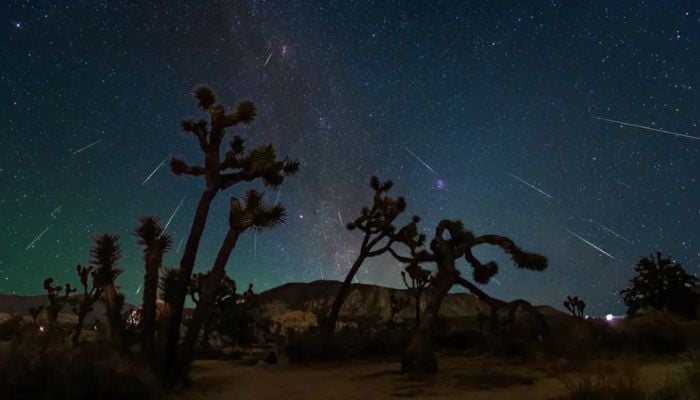
The night sky is about to put on a dazzling display, as the Perseid meteor shower begins its journey across California's skies. This spectacular event, which runs from July 17 to August 24, 2026, promises to be one of the brightest and most thrilling meteor showers of the year. With its peak expected to occur overnight on August 12-13, 2026, stargazers have ample opportunity to witness this celestial wonder. For the best viewing experience, it's recommended to head inland, away from the foggy San Francisco weather, and find a spot with unobstructed views of the eastern horizon. The American Meteor Society predicts that the Perseid meteor shower can produce up to 75 meteors per hour, creating a truly magical experience. As the Earth passes through the debris of Comet 109/Swift-Tuttle, the space debris emits bright streaks of light, illuminating the night sky. With the new moon falling on the peak night, the skies will be at their darkest, providing ideal viewing conditions.
AI Generated Q&A
When does the Perseid meteor shower peak?
The Perseid meteor shower is expected to peak overnight on August 12-13, 2026.
Where are the best viewing spots for the Perseid meteor shower in California?
The best viewing spots are located inland, away from the foggy San Francisco weather, with unobstructed views of the eastern horizon.
How many meteors per hour can the Perseid meteor shower produce?
The Perseid meteor shower can produce up to 75 meteors per hour, according to the American Meteor Society.
Related Articles
Trending
- Duchess Sophie Shines at Royal Albert Hall: A Night of Classical Music and Elegance
- Social Security Recipients to See 3.8% Boost in 2027: Will It Be Enough?
- Pakistan and Kuwait Forge Closer Ties: A New Era of Defense Cooperation
- Punjab Government Launches Green Electric Bus Project for Gujrat - 28 Modern Eco-Friendly Buses
- Pakistan and China sign new trade agreement worth $5 billion